
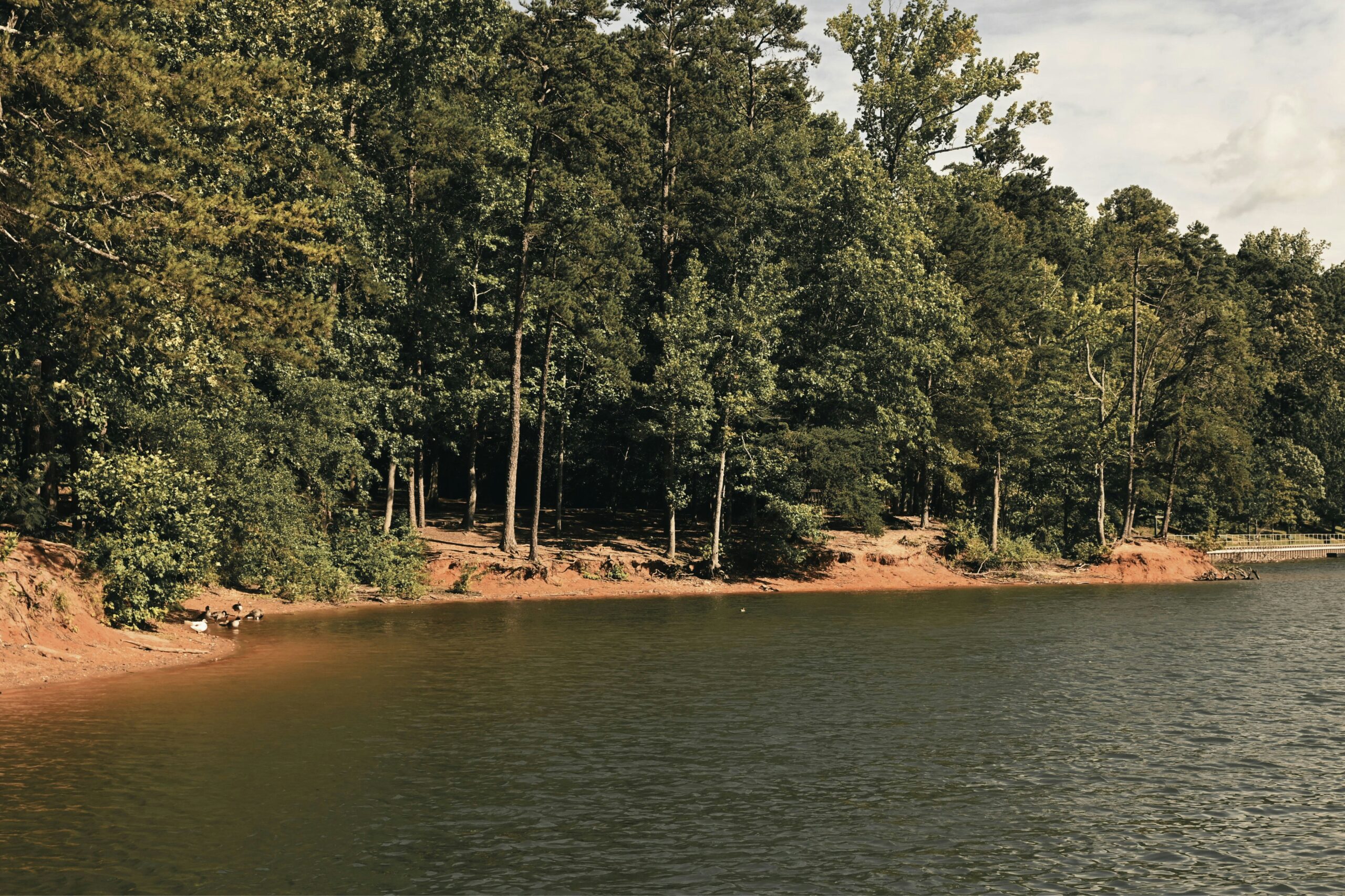
Why do two similar lake homes have completely different prices? Understanding waterfront property value is the key.
You’ve probably seen it before: two homes on the same lake, similar square footage, similar curb appeal, yet one is listed for $200,000 more than the other.
It can be baffling for buyers. In traditional real estate, pricing is driven by bedroom count, square footage, and school districts. But when it comes to lake homes, the rules change. Waterfront property value depends far more on the land and water than the house itself.
To understand what a lake home is really worth, you have to look beyond the four walls—and focus on the shoreline.
What Is Waterfront Property Value?
Waterfront property value refers to how desirable and usable a property’s access to water is and how that translates into market price.
Unlike standard homes, where the structure drives most of the value, lake properties are heavily influenced by:
- Water depth
- Dock access
- View quality
- Lot usability
Two identical homes can have drastically different values based entirely on these factors.
The #1 Rule of Waterfront Property Value
Here is the core truth:
The water is the value—but the access and usability of that water determine how much.
A home may technically be “waterfront,” but if the water is shallow, stagnant, or inaccessible for boating, the price will reflect that.
Small differences in shoreline quality can create massive differences in value.
Key Factors That Impact Waterfront Property Value
1. Water Depth & Access (The Biggest Driver)
Deep water is premium water.
- Year-round access: Can you use your dock in late summer when water levels drop? If yes, that’s high-value property.
- Seasonal water: If your dock sits on dry land part of the year, expect a significant drop in value.
2. Dock Rights & Permits
On lakes like Lanier or Hartwell, dock rights are tightly regulated. In many cases, the U.S. Army Corps of Engineers oversees shoreline use, meaning you cannot assume you’ll be able to add or modify a dock after purchase.
- Private vs. shared dock: A private, double-slip dock is the gold standard
- Permit status: A transferable dock permit adds major value
Never assume you can add a dock later; always verify first.
3. View Quality
Not all lake views are equal.
- Wide-open views: Higher value and stronger resale appeal
- Sunset exposure: West-facing homes often sell for a premium
- Cove views: More privacy, but typically lower value
4. Location on the Lake
Location matters just as much on water as it does on land.
- Main channel: Better views, more boat traffic
- Cove: Quieter, but may sacrifice depth and visibility
- Proximity: Closer to marinas, restaurants, or Atlanta = higher demand
5. Lot Characteristics
Ease of access to the water is critical.
- Gentle slope: Highly desirable and accessible
- Steep lots (“mountain goat lots”): Less buyer appeal and lower value
6. Home Features (Secondary—but Still Important)
The home still matters, but less than the water.
- Outdoor living spaces (decks, porches, kitchens)
- Large windows facing the lake
- Layout that prioritizes the view
If the main living areas don’t face the water, the home loses value.
Waterfront Property Value: Quick Comparison
| Feature | Lower Value | Higher Value |
|---|---|---|
| Water Depth | Seasonal | Year-round deep water |
| Dock | None or shared | Private double-slip |
| View | Narrow cove | Wide-open / sunset |
| Lot | Steep | Gentle walk to water |
| Location | Remote | Near amenities |
Why Two Similar Lake Homes Have Different Prices
Let’s break it down:
Home A
- Single-slip dock
- Shallow cove (4 ft water)
- Limited usability part of the year
👉 Price: $850,000
Home B
- Double-slip dock
- Main channel (15 ft water)
- Year-round access + sunset views
👉 Price: $1,200,000
Same house, completely different waterfront property value.
The Investment Side of Waterfront Property
Waterfront homes are a finite resource—there’s only so much shoreline available.
That scarcity drives:
- Strong long-term appreciation
- Better value retention during downturns
- Higher short-term rental potential (where allowed)
For many buyers, a well-chosen lake property outperforms traditional residential investments.
Looking for the right location? Check out our guide on Best Lakes in Georgia to Buy Waterfront Property to compare top areas and find the best fit for your goals.
Common Buyer Mistakes
- Assuming all waterfront is equal
- Ignoring dock permits and regulations
- Overpaying for the house instead of the lot
The biggest mistake? Focusing on finishes instead of fundamentals.
Is Waterfront Property Worth It?
If chosen correctly, yes.
The key is understanding that waterfront property value is driven by usability—not just location.
Buyers who understand this make better investments and avoid costly mistakes.
Need Help Evaluating a Lake Property?
Not all waterfront property is created equal—and choosing the wrong one can cost you hundreds of thousands over time.
If you’re considering buying a lake home, I’ll help you evaluate:
- Water depth and usability
- Dock permits and restrictions
- Long-term resale value
Contact Chase Rawlins at LakeHomesGeorgia to get expert guidance before you buy.